
What is a living shoreline?
A living shoreline is a method of shoreline stabilization that uses natural materials and native vegetation to protect coastal areas from erosion. Unlike traditional hard structures such as seawalls or bulkheads, living shorelines incorporate elements like native plants, oyster reefs, and mangroves to create a flexible, resilient barrier. These projects are designed specifically for Florida’s unique coastal environments, taking into account factors such as tidal patterns, wave energy, and local ecosystems to provide sustainable shoreline protection.
Watch the video above to see an example of a low energy shoreline in northeast Florida!
Why are living shorelines important?
Living shorelines play a critical role in maintaining the health and resilience of Florida’s coastal ecosystems. They act as natural buffers that reduce erosion while supporting diverse habitats for fish, birds, and other wildlife. By stabilizing shorelines with natural materials, these projects help improve water quality by filtering pollutants and trapping sediments. Additionally, living shorelines offer long-term protection for coastal properties, helping to safeguard both human communities and valuable natural resources from the impacts of storms and rising sea levels. To learn more about how living shorelines work and why they matter, visit our Basics page.
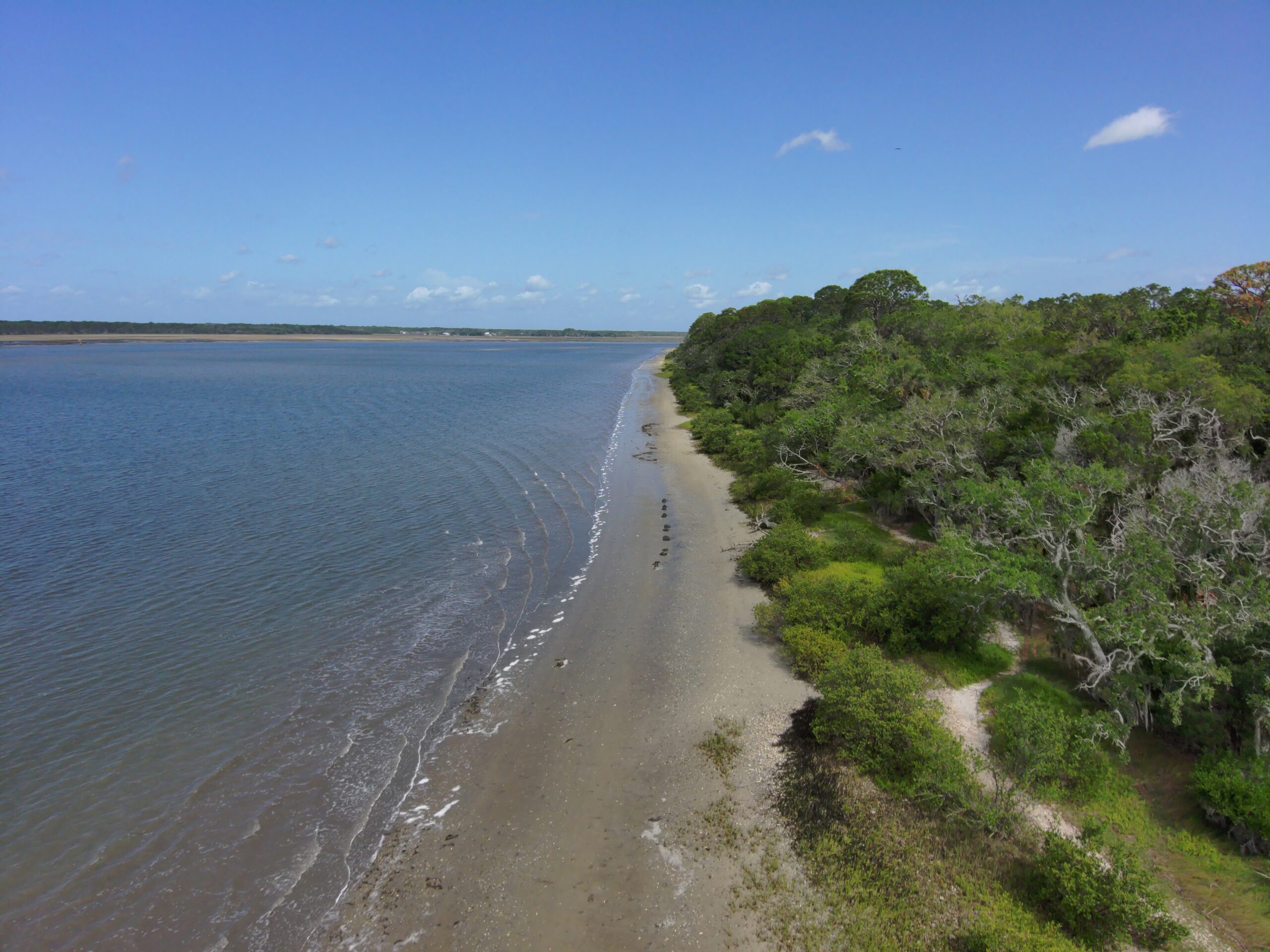
Is it right for my site?
Not every shoreline is the same. Factors like wave energy, slope, and existing vegetation all influence what type of living shoreline, if any, will work best. Some sites may be ideal for plants and oyster reefs, while others may need a more engineered approach. Our infographic can help you explore the options and determine what is suitable for your property. For a more in-depth look at living shorelines, visit our Resources page.
Where can I find one?
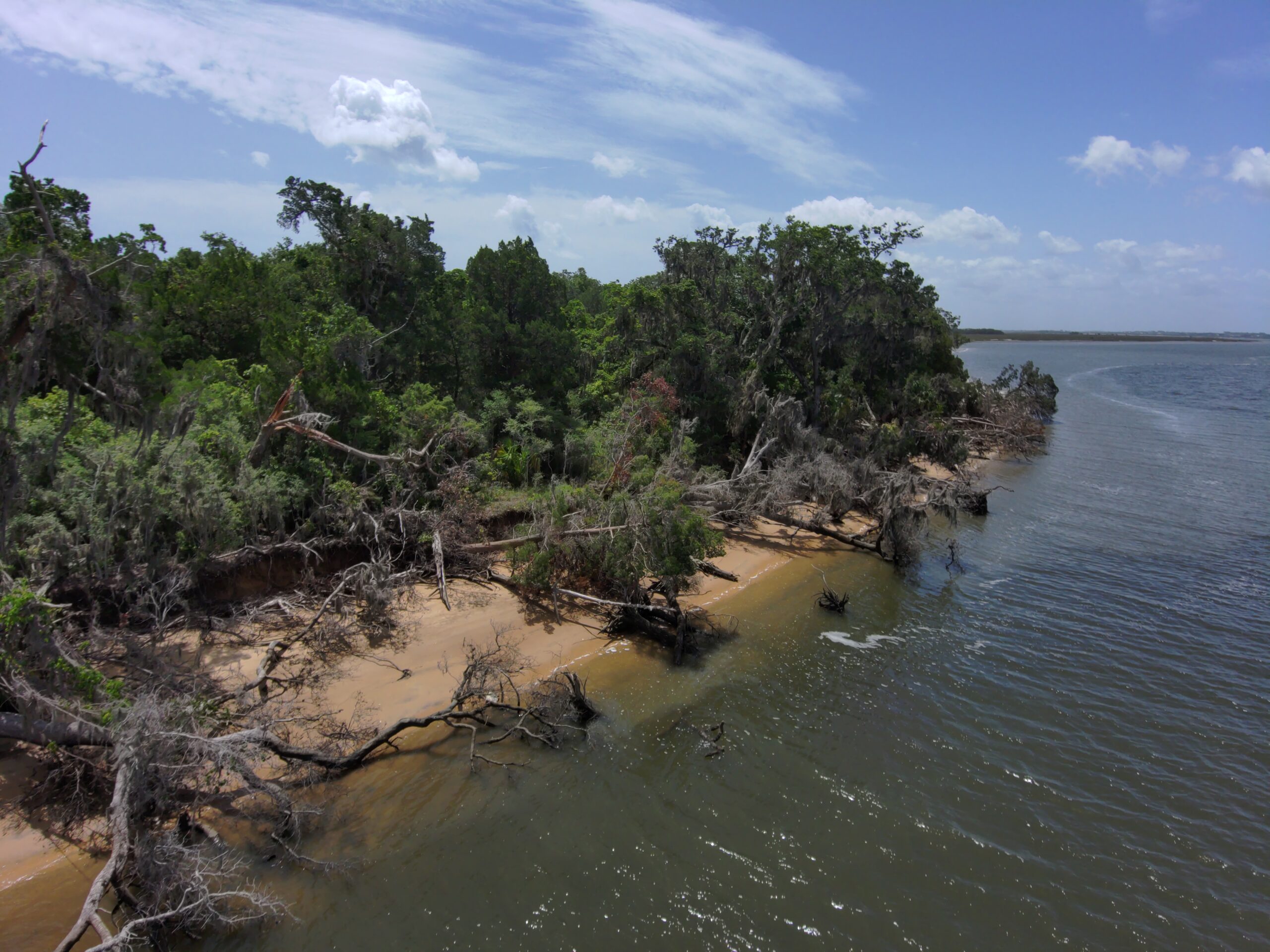
Our Living Shorelines Near Me map is a regional tool that lets you explore real-world examples of living shoreline projects throughout Florida. It is a great way to visualize what is possible for your property. For additional details about each project, visit our Project pages.
Who can install one for me?
Living shorelines are best installed by marine contractors who have experience working with natural materials and coastal conditions. These professionals understand the permitting process, regional requirements, and how to design shorelines that balance erosion control with habitat protection. Hiring a trained contractor that has completed a relevant training course ensures your project is built to last and benefits both your property and the surrounding environment. Visit our Contacts page to find qualified contractors and local experts in your area.
Our mission
This website was created about a decade ago by a team of natural resource professionals with the goal of making living shoreline design, permitting, and installation more approachable to homeowners. The website is managed by a collaborative working group with representation from the agencies and organizations below. We meet regularly to continuously evaluate and manage the content of this website and completed a full website update in October 2025. The team is dedicated to improving access to information on living shorelines as a valuable technique for enhancing natural habitat and increasing the resiliency of our dynamic coastal communities.

This website has been financially supported by the Florida Fish and Wildlife Conservation Commission and Marine Discovery Center in the past and is currently funded by Florida Sea Grant. Florida Sea Grant is one of 34 Sea Grant programs supported by the National Oceanic and Atmospheric Administration (NOAA) in coastal and Great Lakes states that encourage the wise stewardship of our marine resources through research, education, outreach, and technology transfer. The program is hosted at the University of Florida Institute of Food and Agricultural Sciences (UF/IFAS) and is a partnership between Florida universities and county governments.