
Fort Mose Historic State Park (St. Johns County)
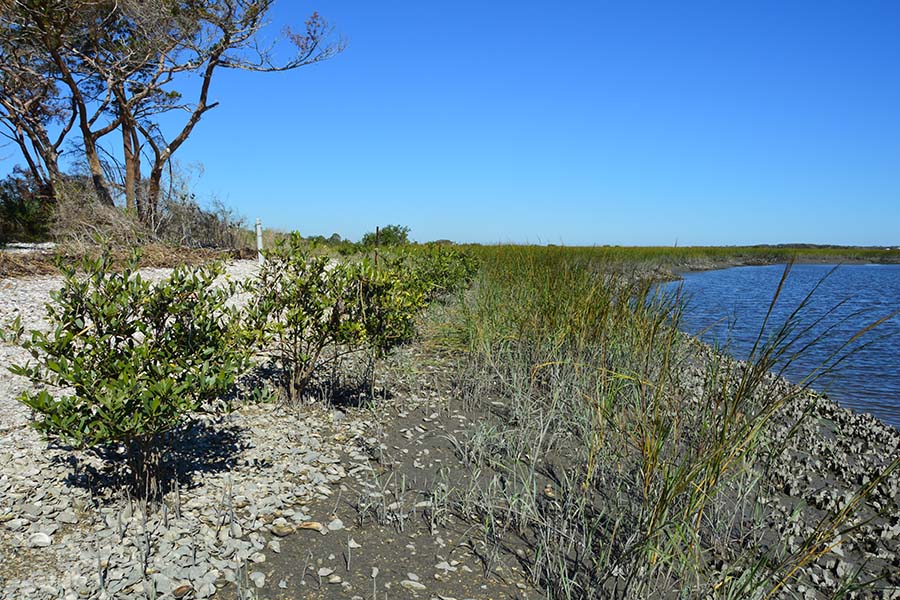
Fort Mose 3 yrs post
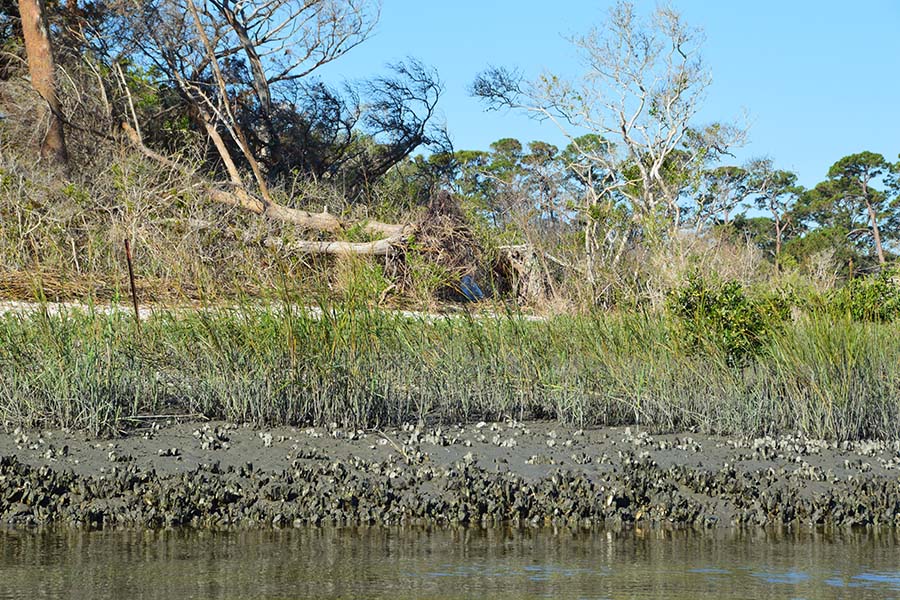
Fort Mose 3 yrs post
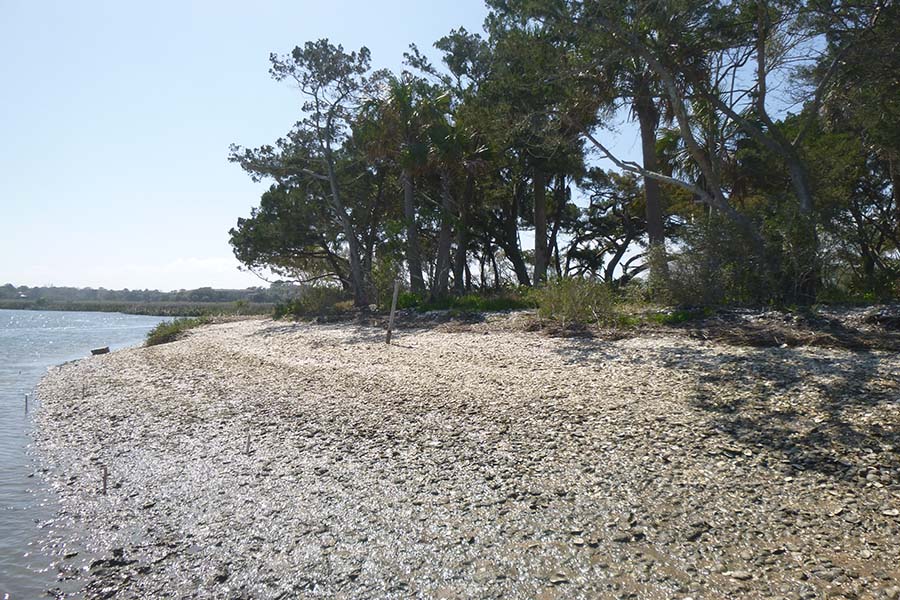
Fort Mose Before
General Project Information
Project footprint:
200 linear feet
Location:
N/A due to archeological significance
Can it be visited by the public?
No
Coordinating organization:
Timeline
Start date and completion date:
October 2014
Other relevant timeline information:
- Monitoring occurred for six months pre-stabilization and through three years post-stabilization.
Project Components
Type of project:
Edging
Materials:
Mangroves, Other native plants, and Oyster mats/bags
Energy level:
LOW/MEDIUM
Optional information
Plant species included:
Avicennia germinans, Spartina alterniflora
Source of materials:
Cultch material used:
Recycled oyster shell
Cost per linear foot:
Contact for more information:
Dr. Melinda Donnelly, Melinda.Donnelly@ucf.edu