
Hardened vs. Soft Shorelines
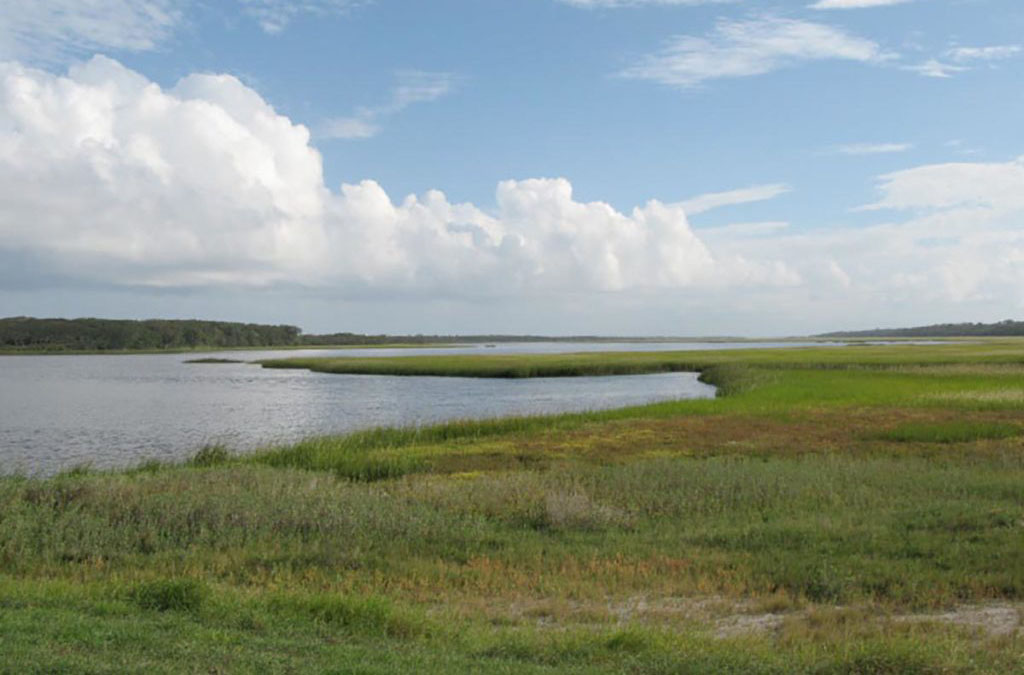
A natural shoreline at Guana Tolomato Matanzas National Estuarine Research Reserve. Photo credit: Melody Ray-Culp, US Fish and Wildlife Service.

A living shoreline in Panama City, Florida
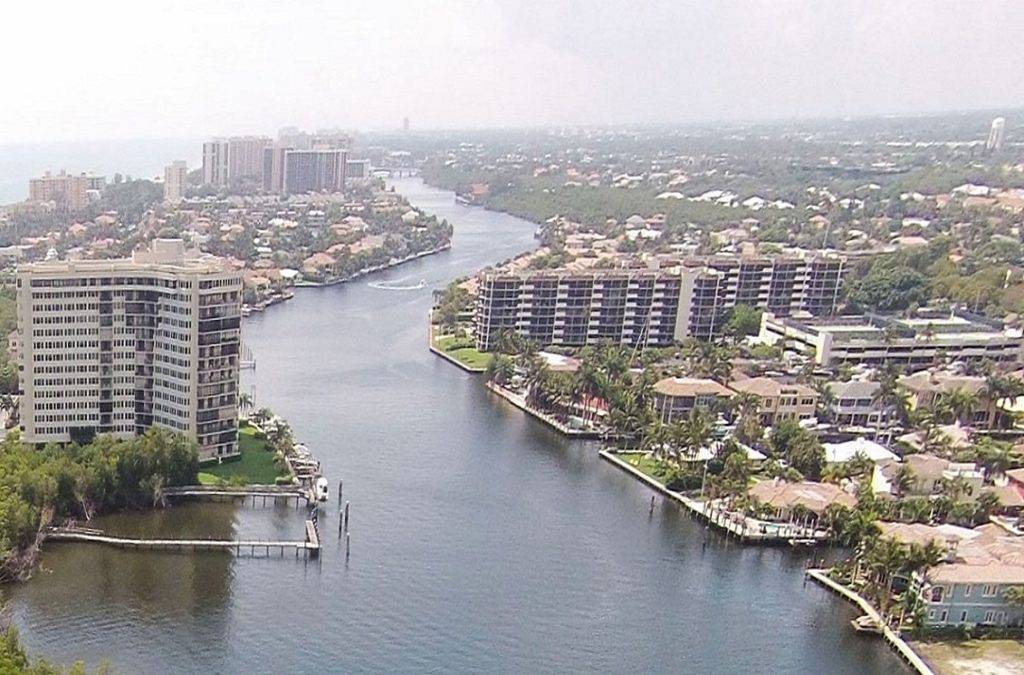
Hardened shorelines in South Florida
Natural shorelines, already performing their natural functions without any help from us, should not be replaced with construction projects. Shorelines are naturally dynamic environments, and “do nothing” or coastal retreat are the first options to be considered when faced with an eroding shoreline. Sea level rise compounds erosion problems by changing the location of the coast line and exposing new areas to erosion. There are many tools to help assess coastal flooding risk in your area, such as this Coastal Risk Screening Tool, this Coastal Flood Exposure Mapper, and this Sea Level Rise Map. However, most property owners are seeking active solutions to the loss of their property in the face of erosion, so “do-nothing” is not an option. Sea level rise compounds erosion problems by changing the location of the coast line and exposing new areas to erosion.
Living shorelines offer the most environmentally friendly options for doing something. A living shoreline can often cost less than a seawall, and only improves with time. See “Why Choose a Living Shoreline Approach” for more benefits to stabilizing your property with a living shoreline.
Shoreline hardening, however, interrupts natural shoreline processes, reduces nursery habitat for marine species and foraging habitat for wading birds, degrades water quality, and can actually increase erosion processes. Hardened shorelines include seawalls and bulkheads, which are often the default method of shoreline protection option selected by property owners to “hold-the-line” along the edge of their property. They are detrimental because they:
Keep Exploring!